
Two kinds of wine storage, serviced differently
Appliance-class wine storage — a 150-bottle Sub-Zero 424, a dual-zone Miele KWT, a stack of U-Line 24-inch undercounter units — is appliance work. Same skill set as refrigeration, same parts channels, usually a single-visit repair. We see a lot of these in kitchens south of Ventura.
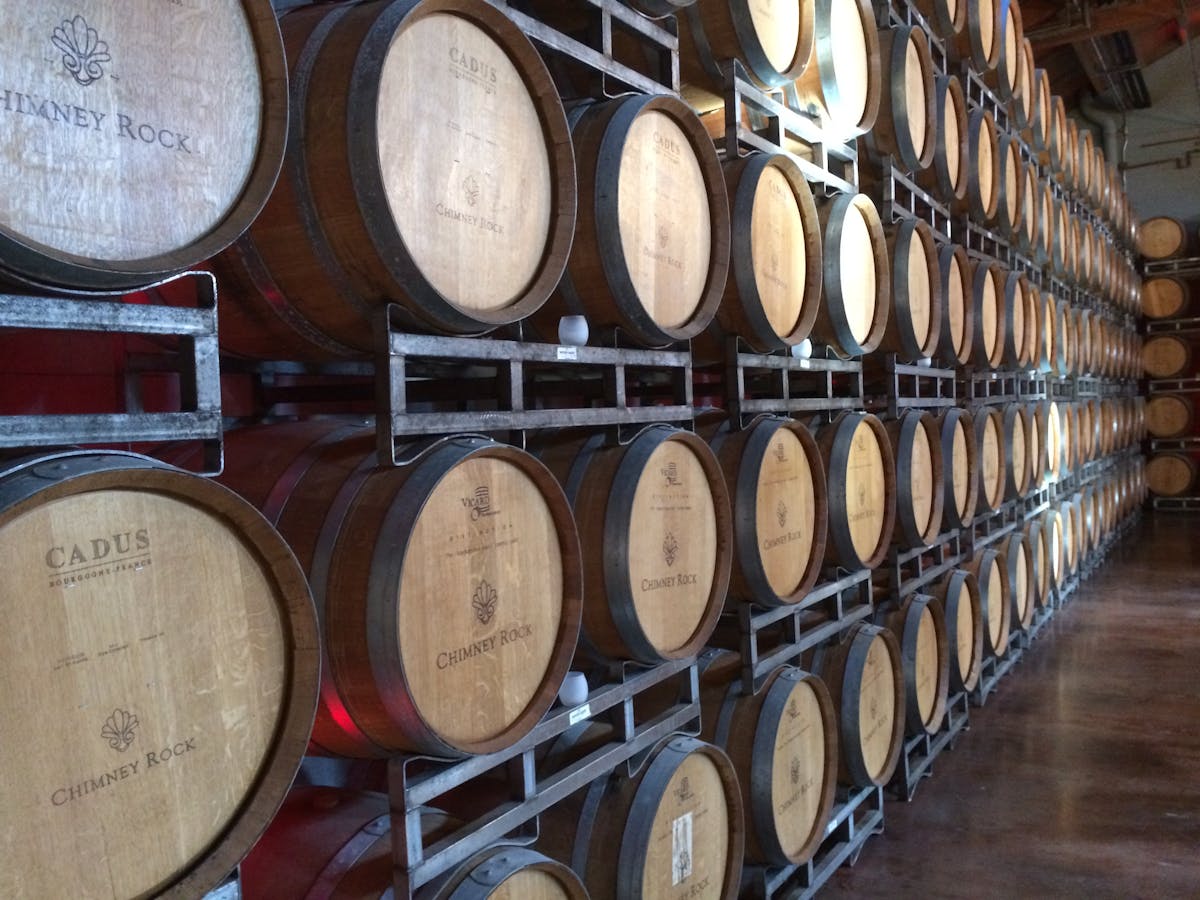
Built-out wine cellars — the dedicated rooms with a Wine Guardian or WhisperKool punched through the wall, sometimes with humidity control, sometimes with a split-system evaporator inside the room and a condenser on the roof — these are light commercial refrigeration. They require HVAC certification (Joe holds EPA 608 Universal), they take refrigerant charges that a regular appliance tech doesn’t carry, and the parts channels are entirely separate.
We’re one of the few Valley shops that handles both sides of this properly. Joe added the HVAC ticket in 2010 specifically because Tarzana’s hillside clients kept asking.
Where Tarzana keeps its wine
The pattern is consistent enough that we can usually guess the equipment from the address. The hillside streets south of Ventura Blvd, up toward the Mulholland corridor and behind the gates off south Reseda Blvd, are where the built-out cellars live. They’re often below grade, dug into the slope, which is exactly where a cellar belongs — the earth does half the cooling work. The Ventura Blvd condo buildings run undercounter: a U-Line or a Sub-Zero UW-24 in the island, occasionally a slim 15-inch unit squeezed in next to a panel-ready dishwasher. And the 1950s–60s ranch homes on the flat grid north of Ventura are where we find the overflow unit, the 150-bottle freestanding cooler that started life in the dining room and got demoted to the garage.
That last one matters, because the garage is where wine coolers go to die.
The garage problem
A wine cooler is built to hold 55°F against a normal room, roughly a 20-degree pull. A Tarzana garage in August runs 105–115°F inside, which asks the machine for a pull it was never designed to make. Compressor units run continuously, cake their condensers with garage dust, and slowly cook their own control electronics. We replace more condenser fan motors ($180–$300) on garage units than everywhere else combined, and a failed evaporator fan ($180–$300) or a drifted thermistor ($150–$250) usually announces itself the same week the heat arrives.
Thermoelectric coolers fare worse. A Peltier unit can only cool about 20 degrees below ambient, full stop. In a hot garage it will hold 85°F while running flat-out, and there is nothing wrong with it for us to fix. This is also where we draw our honest not-worth-repairing line: thermoelectric coolers sell for $150–$400 new, and almost no repair on one pencils out. If yours has quit, we’ll tell you so on the phone and save you the service call. Compressor-based units are a different story. A U-Line with a failed fan or a Sub-Zero 424 with a bad control board ($350–$550 installed) is nearly always worth fixing, and a torn door gasket ($150–$280) is worth fixing the week you notice it, before the compressor pays the price.
Ice makers: the other water appliance
Ice makers are their own beast. The dedicated undercounter makers — U-Line, Scotsman, Marvel, Perlick — use a different refrigeration cycle from a freezer ice maker. They have their own evaporator plates, dedicated water pumps, and (on commercial-grade Scotsman residential models) a cleaning-cycle logic that confuses most techs.
We service both freezer-integrated ice makers (the ice you get from your Sub-Zero 648’s built-in maker) and dedicated undercounter ice. In general, dedicated ice makers are worth repairing for 8–12 years; freezer-integrated makers are worth repairing for the life of the refrigerator.
Hard water, scale, and what your ice is telling you
Valley tap water runs 12–15 grains per gallon, and clear-ice machines concentrate that hardness by design. A Scotsman-style undercounter maker freezes water in layers and rinses the mineral away, which is why its cubes come out clear — and why the mineral ends up as scale on the evaporator plate instead. In this water we recommend running the cleaning cycle with nickel-safe cleaner every three to four months, about twice the cadence the manual suggests. Skip it long enough and the plate scales over, the cubes come off small or bridge together, and eventually the harvest cycle jams entirely.
Homeowners often ask whether cloudy cubes mean something is wrong with the water. They don’t. Cloudy ice is dissolved air and minerals frozen in place, and it’s normal for any freezer-integrated maker. Small or hollow cubes are the signal actually worth a call — usually a restricted water inlet valve ($150–$250 to replace) or a scaled evaporator plate. The other question we field weekly is whether an inline water filter is worth installing. Yes, without hesitation, and change it every six months. A $30 filter is the cheapest insurance an ice maker can buy in 91356 water, and it noticeably slows scale in wine-cooler humidity trays too.
What we bring to a wine-storage call
- EPA 608 Universal refrigeration certification (Joe, since 2001).
- Sub-Zero factory certification including wine units.
- Wine Guardian and WhisperKool parts access for through-wall cellar systems.
- Refrigerant recovery equipment on the van — we can pull and recharge R-134a and R-600a on-site.
- A proper respect for a $40,000 wine inventory sitting on shelves around us — we work clean.